Photo via Fast Company
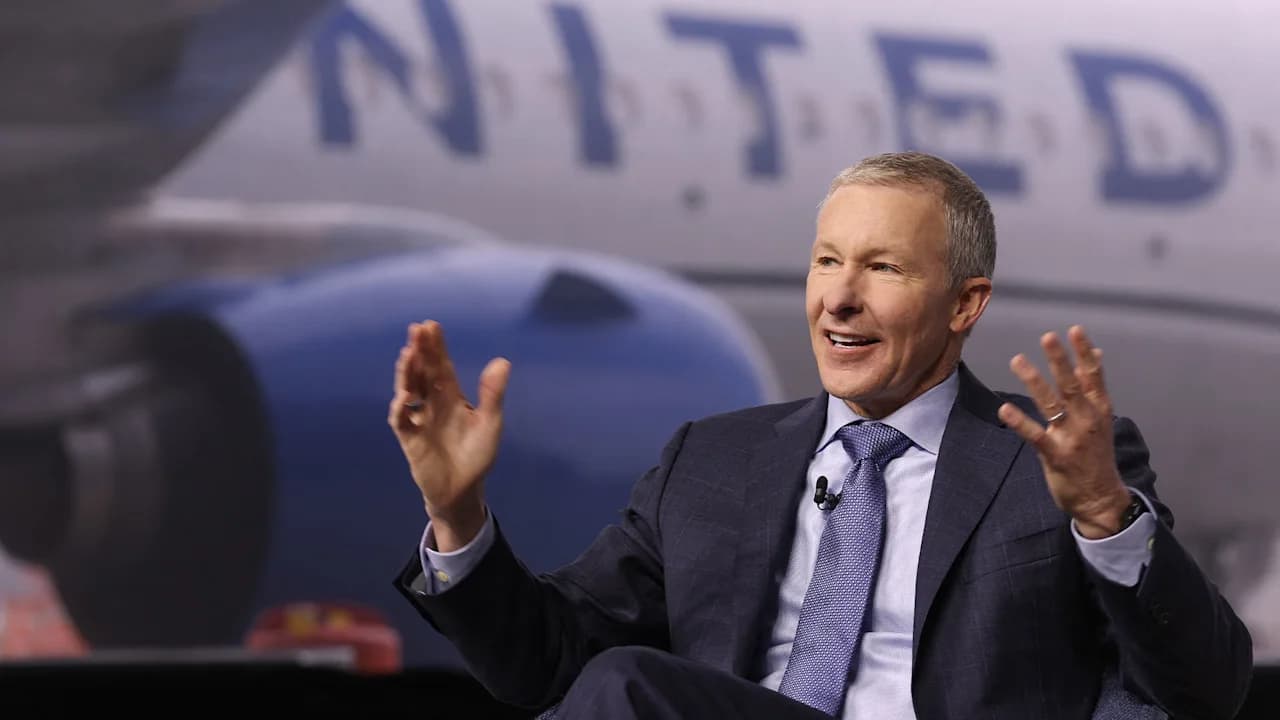
Rising fuel costs tied to international tensions have pushed airline ticket prices higher this quarter, with United Airlines reporting a $340 million increase in fuel expenses year-over-year. According to Fast Company, United CEO Scott Kirby warned that fares could climb an additional 15% to 20% this summer alone. While consumers and business travelers in Charlotte and across the country might expect prices to normalize once the crisis subsides, Kirby's recent comments suggest that expectation may not align with industry plans.
On an earnings call this week, Kirby indicated that United Airlines likely will not reverse the full scope of its price increases once fuel prices stabilize. According to a transcript of the call, Kirby stated that if conditions returned to mid-February baseline levels, he estimates the airline would retain 20% of current price hikes next year, with that figure potentially climbing to 80% over time. This admission signals that airlines may use the current crisis as cover to establish a new, permanently higher pricing baseline—a strategy that could have lasting implications for regional business travel budgets.
The potential for sustained elevated pricing has caught the attention of lawmakers. Representative Ritchie Torres of New York recently sent a letter to airline CEOs demanding they commit to lowering fares when fuel costs decline, arguing that pricing cannot operate as a one-way street. Torres specifically called out Delta Air Lines CEO Ed Bastian for suggesting lower fuel costs would primarily boost company margins rather than customer savings. With Kirby's candid admission, United Airlines may now find itself under similar congressional scrutiny.
For Charlotte-area businesses that rely on frequent air travel, these developments represent a potentially permanent shift in transportation costs. The airline industry's apparent willingness to treat crisis-driven price increases as permanent baseline adjustments could reshape corporate travel budgets for years to come. Business leaders should monitor whether regulatory pressure or competitive dynamics ultimately force the industry to fulfill consumer expectations for price normalization.