Photo via Fast Company
Construction companies nationwide are confronting a workforce crisis that's beginning to impact project timelines and budgets. The median age of construction workers now stands at 42, with roughly 45% of the workforce over 45 years old, according to labor data cited by the National Home Builders Association. As experienced operators retire faster than younger workers enter the field, Charlotte-area contractors are finding themselves caught in a painful squeeze—projects delayed, labor costs rising, and qualified equipment operators increasingly hard to find.
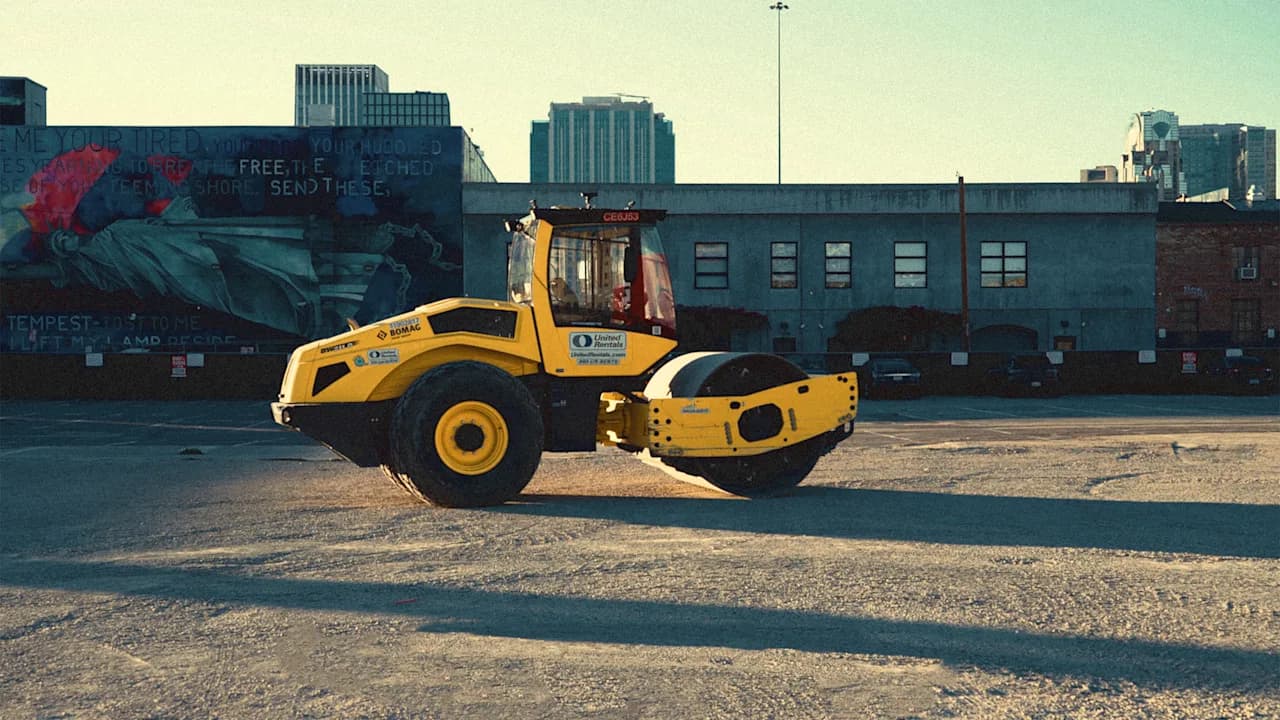
A startup called Crewline is betting that artificial intelligence could provide relief. The company has developed an aftermarket robotic system that transforms conventional drum rollers into autonomous machines, handling monotonous compaction work without human operators. In a recent Austin project, the technology reduced daily downtime from six hours to just one hour, effectively doubling productive time on site. Crewline recently announced a $7.1 million seed round and already has 241 companies on its waitlist, representing over $26 million in potential annual contracts.
What makes Crewline's approach viable where other autonomous vehicle efforts have stumbled is its narrow focus. Rather than attempting to solve the full complexity of self-driving technology—a challenge that's eluded companies like Tesla—Crewline concentrates exclusively on construction sites, which are controlled environments with predictable tasks. The system uses stereo cameras, edge detection, and cloud-based vision models to navigate obstacles and avoid hazards like survey stakes and utility covers. A foreman simply draws a digital boundary on an iPad, hits start, and the machine handles the rest.
For Charlotte's construction and real estate sectors, this technology could prove transformative. Crewline plans to deploy 100 autonomous rollers by year's end, with bulldozers coming next year. The company envisions a future where multiple autonomous machines communicate seamlessly on job sites, orchestrating complex earthwork sequences without human intervention. While that future remains several years away, the immediate opportunity for local contractors is clearer: offsetting the labor shortage pressuring timelines and costs today.