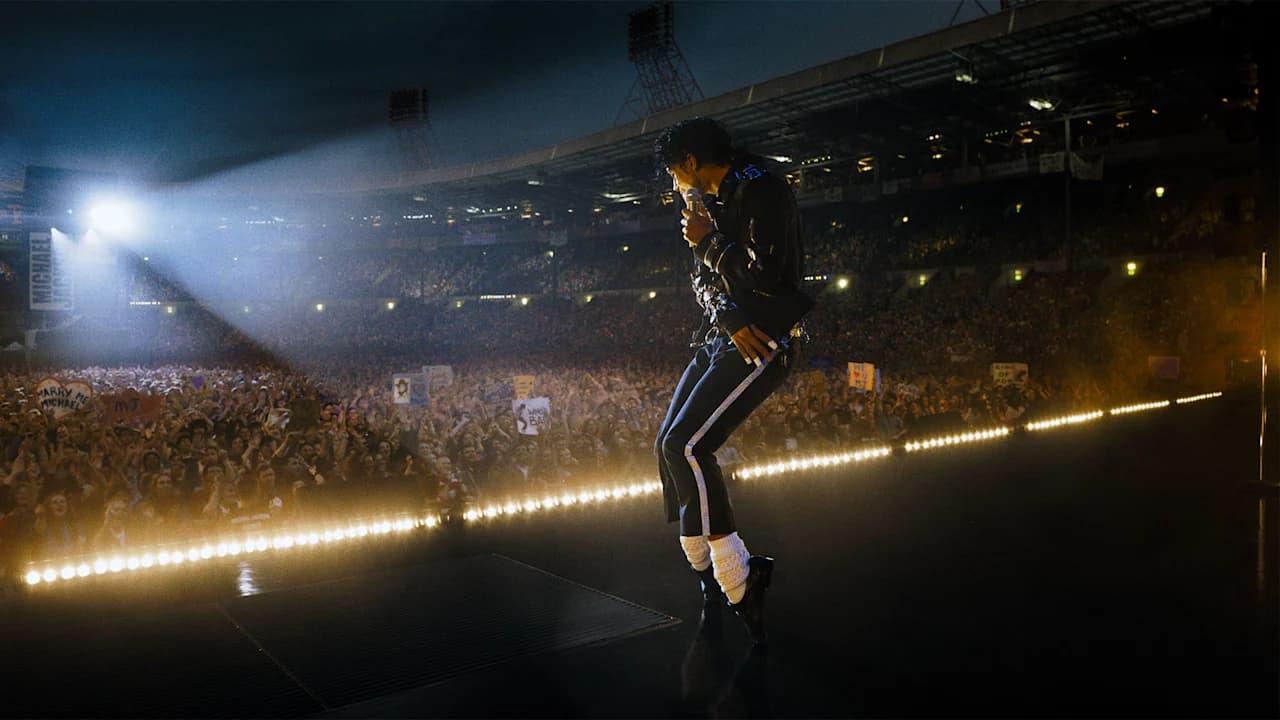
Photo via Fast Company
The Michael Jackson biopic demonstrates a striking disconnect between critical reception and financial performance. Despite earning a 34% rating on Rotten Tomatoes—among the lowest scores for a major release—the film is projected to generate $65 million to $80 million in its opening weekend, potentially setting a record for musical biopics. This paradox raises questions about how consumer behavior, star power, and brand loyalty can override negative critical sentiment, a lesson relevant to marketers and investors across industries.
Critics have focused their attacks on the film's sanitized portrayal of Jackson's legacy, particularly its omission of his 1993 child abuse allegations and the subsequent docuseries that revived public controversy. According to Variety, the Jackson estate's legal team discovered contractual language preventing depiction of accuser Jordan Chandler, forcing costly reshoots that added $10 to $15 million to production costs. This scenario illustrates how legal constraints and reputation management efforts can fundamentally reshape a project's final form—and its critical viability.
Beyond the Jackson biopic, the success signals a broader Hollywood trend toward musical biopics as reliable box office performers. From Bohemian Rhapsody to Rocketman to Elvis, studios have capitalized on nostalgia, beloved soundtracks, and cultural icons to drive ticket sales. Whether audiences prioritize entertainment spectacle over artistic integrity, these films continue to attract significant investment and viewership despite mixed critical receptions.
For Charlotte's business community, this case study underscores an important principle: audience engagement and financial success don't always align with media or critical narratives. Companies crafting their own brand stories should recognize that managing legacy and controlling narrative—while sometimes legally necessary—carries creative and reputational tradeoffs that may affect long-term market perception and stakeholder trust.