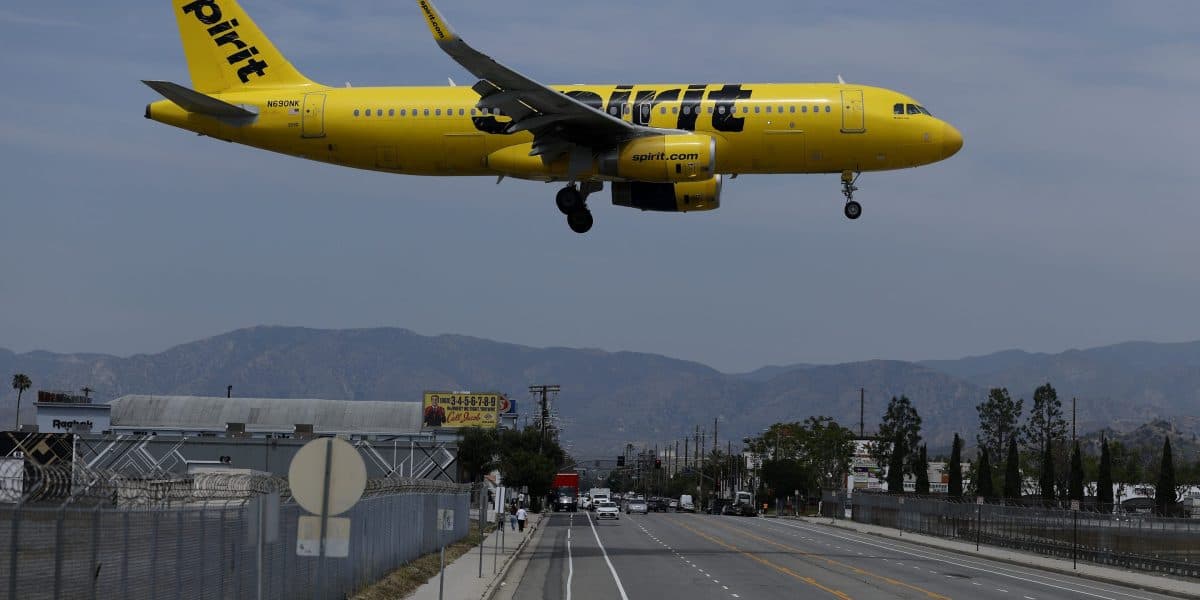
Photo via Fortune
Spirit Airlines' path to financial recovery has hit significant turbulence. According to Fortune, the ultra-low-cost carrier had anticipated emerging from its second bankruptcy filing by summer, but escalating fuel prices now threaten to derail that timeline and potentially force complete liquidation. The development underscores the precarious position many discount carriers occupy when external cost pressures mount.
The airline's predicament reflects broader challenges in aviation economics. Budget carriers operating on razor-thin margins depend heavily on maintaining strict cost controls, and fuel—one of the industry's largest expenses—remains vulnerable to geopolitical and market fluctuations beyond their control. When fuel costs spike, these operators have limited options to absorb the impact without passing costs to passengers or cutting service.
For the Charlotte business community, particularly companies relying on regional air travel for logistics and business operations, Spirit's instability serves as a reminder of transportation sector risks. Charlotte's position as a major hub means local businesses benefit from competitive airline pricing, but that competition depends on carriers remaining solvent and operational.
The potential liquidation would reshape the budget airline landscape and could reduce travel options for price-conscious business travelers in the Carolinas. As the situation develops, Charlotte-based enterprises may need to reassess backup travel arrangements and supply chain logistics that depend on diverse carrier availability.