Photo via Inc.
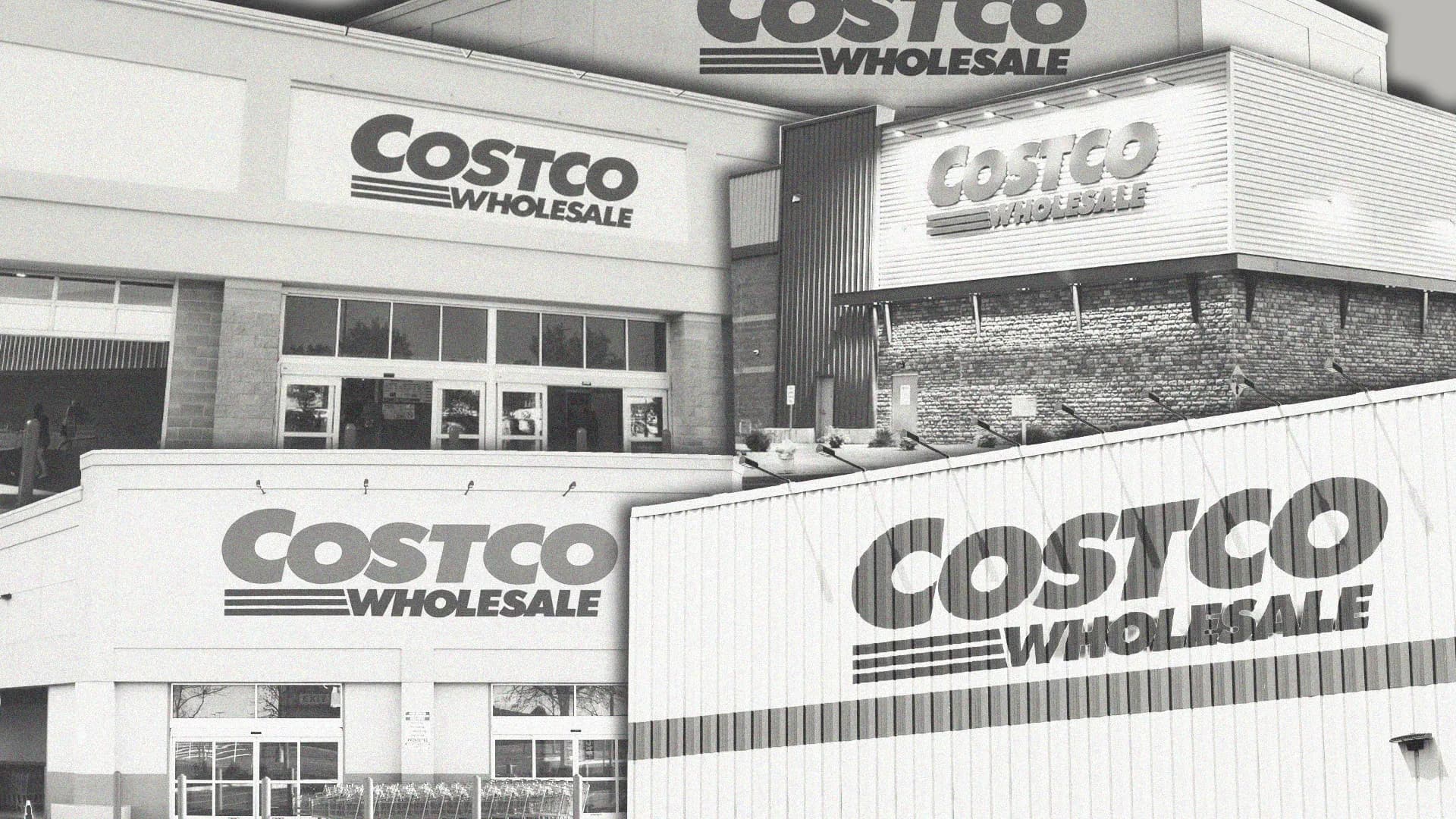
Costco is taking a methodical approach to address one of warehouse retail's persistent challenges: overcrowded aisles during peak shopping hours. Rather than simply expanding existing locations, the membership-based retailer is planning strategically placed new warehouses in areas where current stores have reached capacity constraints. This expansion strategy reflects broader retail trends as companies compete for market share in increasingly saturated markets.
For Charlotte-area business observers, Costco's approach offers insight into how national retailers evaluate growth opportunities in competitive regions. The Greater Charlotte market has seen significant demographic and commercial expansion over the past decade, making it an attractive target for warehouse clubs and discount retailers seeking new locations. How Costco executes its capacity management strategy could influence similar decisions by competitors like Sam's Club and other big-box retailers operating in the Carolinas.
The warehouse club model depends heavily on member density and customer satisfaction. When stores become overcrowded, the shopping experience deteriorates, potentially affecting renewal rates and customer loyalty. By strategically opening new locations rather than immediately expanding existing footprints, Costco appears to be prioritizing the member experience while maximizing operational efficiency across its warehouse network.
This expansion model also has implications for commercial real estate and local communities. New Costco locations typically anchor shopping developments and drive traffic to surrounding businesses. For Charlotte real estate professionals and economic development officials, understanding these warehouse retail expansion patterns provides valuable context for evaluating market dynamics and planning commercial growth in coming years.