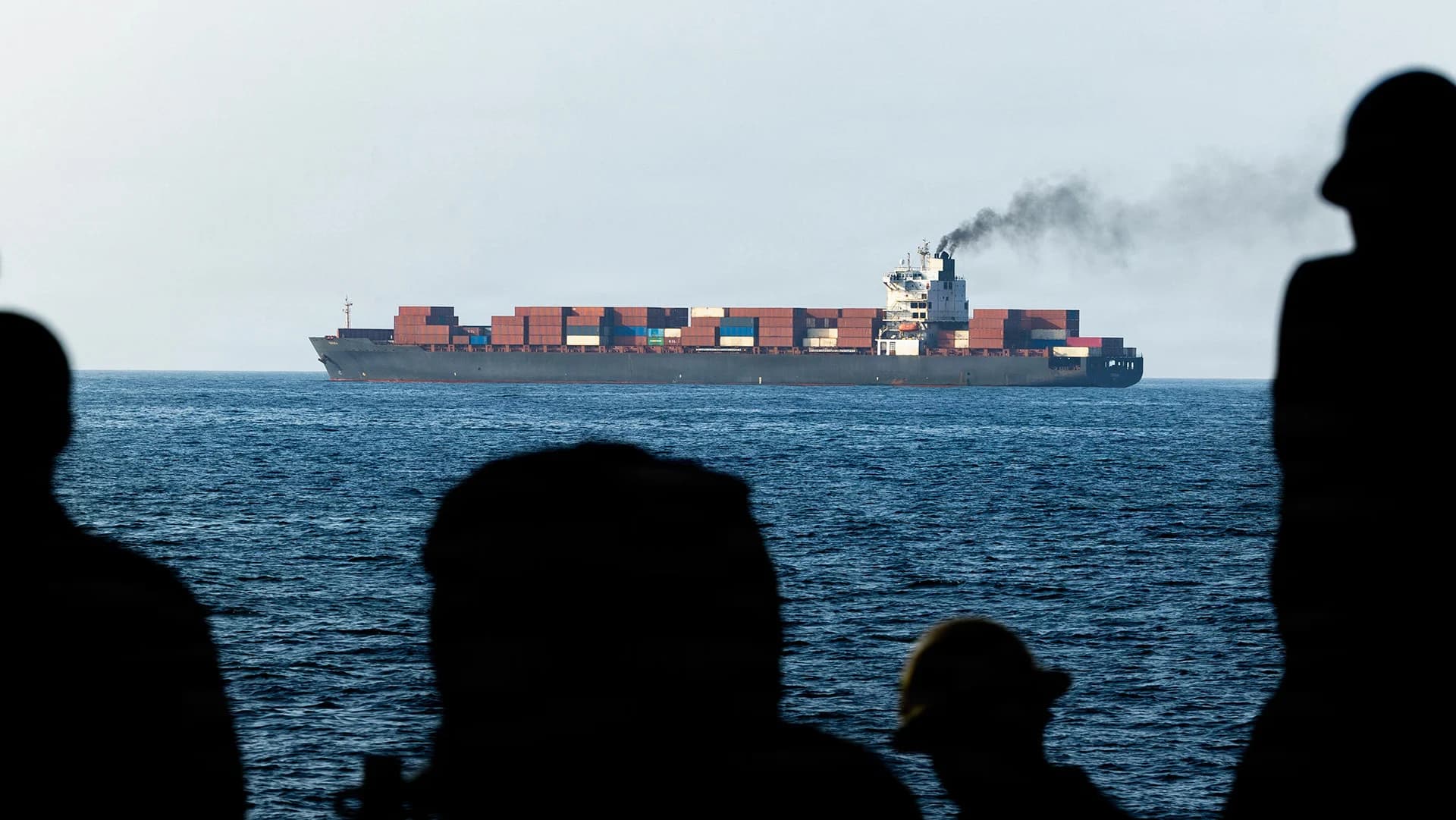
Photo via Inc.
Geopolitical tensions in the Middle East are producing surprising consequences for Charlotte-area retailers and manufacturers. According to reporting from Inc., companies across diverse industries—from consumer goods to healthcare products—are grappling with significant cost pressures tied to regional instability. A major manufacturer recently announced a 30 percent price increase, citing supply chain disruptions as the primary driver. This trend underscores how quickly global conflicts can transform into local business challenges.
The supply chain vulnerabilities exposed by Middle East unrest demonstrate how interconnected modern commerce has become. Companies that seemed insulated from geopolitical risk are discovering unexpected dependencies on global shipping routes, raw materials sourcing, and manufacturing partners. For Charlotte businesses reliant on just-in-time inventory systems, these disruptions force difficult choices: absorb higher costs, pass them to consumers, or accept delivery delays that frustrate customers.
Local retailers and distributors are already strategizing responses. Some are exploring alternative suppliers and reshoring components, while others are negotiating with vendors to spread price increases over time. Charlotte's logistics and manufacturing sectors—key parts of the region's economy—face particular pressure as transportation costs rise and inventory management becomes more complex. Businesses that can adapt quickly to supply chain volatility may gain competitive advantages over slower-moving competitors.
The broader lesson for Charlotte business leaders is clear: supply chain resilience is no longer optional. Companies should audit dependencies on conflict-prone regions, diversify sourcing, and build financial buffers for unexpected disruptions. As global tensions persist, the businesses that thrive will be those prepared for a more volatile and unpredictable international marketplace.