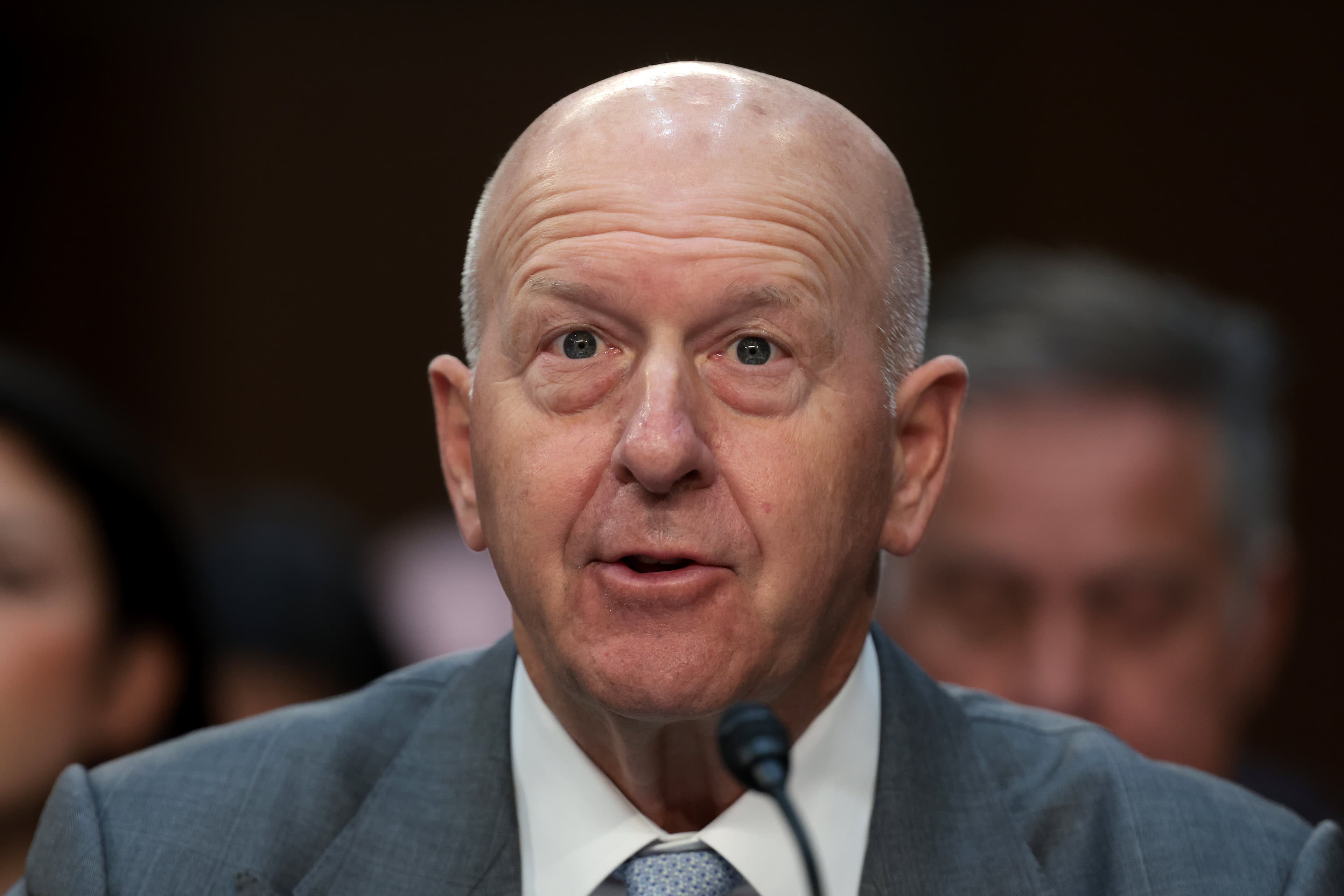
Photo via CNBC Business
Goldman Sachs, long regarded as a powerhouse in fixed-income trading, has faced a notable stumble in its bond trading division while competitors have capitalized on market volatility, according to CNBC Business. The underperformance marks a departure from the firm's historical strength and raises questions about its ability to execute in turbulent market conditions—a core expectation for one of Wall Street's most prominent trading houses.
The competitive pressure Goldman faces in bond markets reflects broader shifts in Wall Street's trading landscape. As rival firms have strengthened their fixed-income operations and market conditions have created both challenges and opportunities, Goldman's relative underperformance has not gone unnoticed internally or by market observers. The firm's leadership appears energized to address the gap, with what sources describe as renewed focus on the division's performance.
For Charlotte-based financial institutions and investment firms, Goldman's struggles underscore the importance of trading execution quality and competitive positioning. Charlotte's growing financial services sector, home to regional and national players, watches closely as major Wall Street firms adjust their strategies. The competitive dynamics at the national level often cascade to influence regional financial markets and institutional relationships.
The pressure to perform in bond trading extends beyond Goldman to the entire sector as market conditions remain unpredictable. Firms that can adapt quickly and execute effectively in volatile environments maintain competitive advantages. As Goldman works to reinvigorate its bond trading operation, the moves may signal broader industry trends that affect how institutional investors and regional financial firms evaluate their trading partnerships and market strategies.