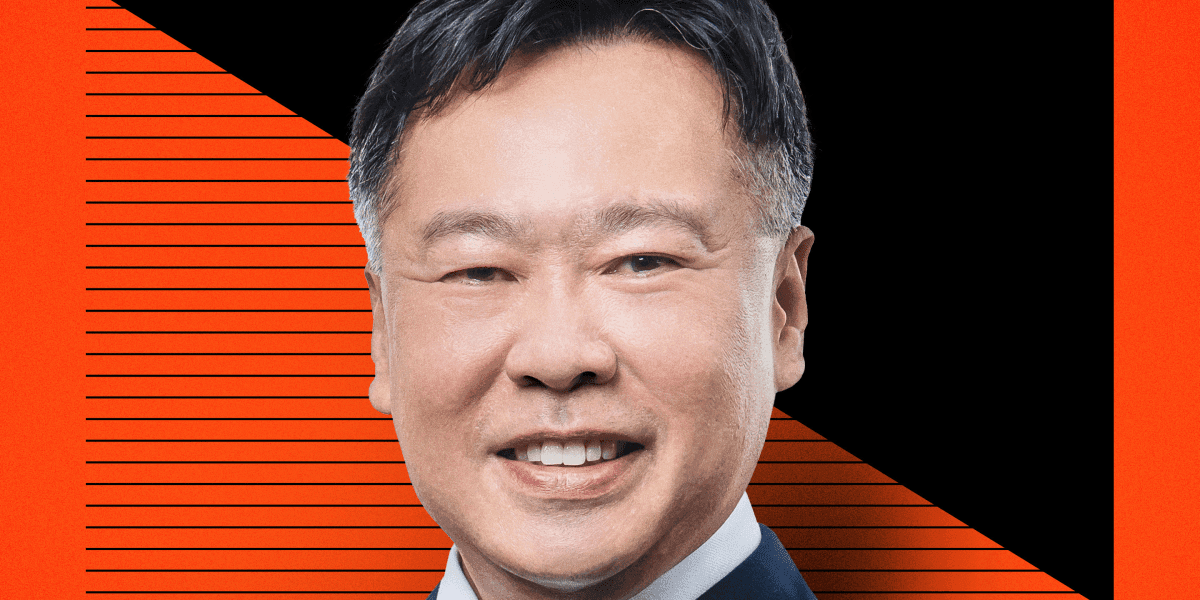
Photo via Fortune
When two struggling shipyards came together, the merger could have easily collapsed under the weight of cultural clashes and operational misalignment. Instead, CEO Chris Ong navigated the complex integration to create Seatrium, a company now competing for some of the world's most demanding contracts. According to Fortune, Ong's steady hand during the transition has positioned the company to serve blue-chip clients across multiple industries and geographies.
The CEO's balancing act is no small feat. Seatrium's customer roster spans sectors that rarely overlap: Brazil's oil giant Petrobras relies on the company for offshore vessel construction, while Royal Caribbean orders from the cruise ship division, and the U.S. Navy demands cutting-edge military capabilities. Managing these distinct client bases with different technical requirements and timelines requires both operational excellence and diplomatic skill, qualities Ong has demonstrated throughout his tenure.
Profitability in shipbuilding is notoriously difficult, yet Seatrium has managed to return to black under Ong's leadership. The achievement reflects not just operational improvements but also strategic positioning in two booming sectors: offshore oil and gas production remains a critical global industry, while renewable energy installations—particularly offshore wind—represent the company's growth frontier.
For business leaders in the Carolinas' manufacturing and industrial sectors, Seatrium's turnaround offers lessons in merger integration and market positioning. As supply chain investments and industrial policy increasingly favor domestic shipbuilding, Ong's ability to build a cohesive, profitable operation from fractured pieces demonstrates the value of decisive leadership during transformative change.