Photo via Fast Company
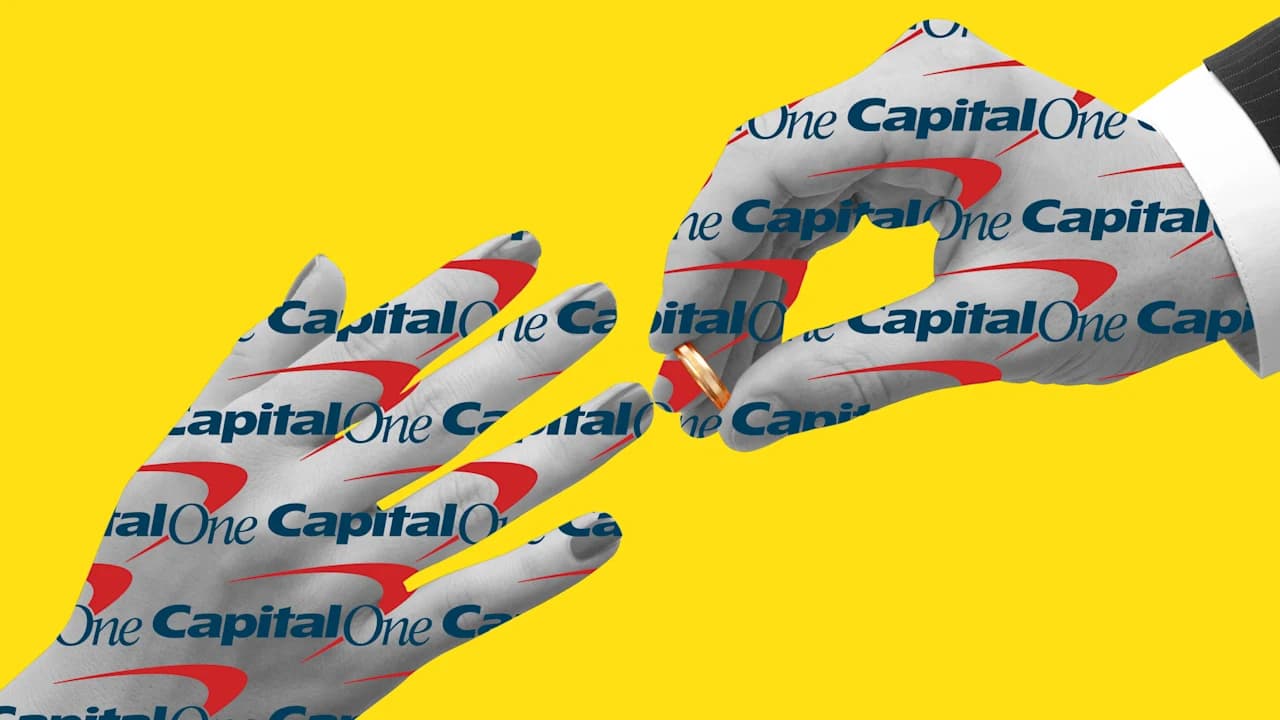
The line between personal celebration and branded content blurs further each day. A recent social media discussion highlighted this tension when content creator Jaz Smith posted wedding photos alongside Capital One Cafe imagery, sparking viral debate about whether major corporations have crossed into sponsoring life's most intimate moments. While the Capital One reference was actually from a separate campaign using her wedding photos, the confusion underscores a growing trend: influencers with substantial followings are increasingly securing brand partnerships to offset soaring nuptial costs.
The practice is already well-established among major creators. Beauty influencer Mikayla Nogueira secured sponsorship from E.l.f cosmetics for her wedding, complete with branded decor designed for social media amplification to her 3.5 million followers. Even micro-influencers with 40,000 followers or fewer are capitalizing on brand relationships—wellness creator Yola Robert leveraged her following to secure sponsorships from Hum Nutrition and Free Spirits for her 2022 wedding, securing guest perks and an open bar through corporate partnerships.
The economics driving this trend are straightforward: according to industry experts, the average wedding now costs approximately $36,000, with costs climbing due to inflation and supply chain pressures. Last year's tariff-driven spikes pushed imported wedding dresses up by $300 or more for individual buyers. For many couples, particularly younger and digitally-native ones, seeking brand sponsorships represents a practical workaround rather than a luxury—positioning their weddings as content opportunities that benefit both creator and corporate partner.
Charlotte-area event planners and wedding vendors should take note of this evolving landscape. As influencer marketing becomes increasingly intertwined with major life events, businesses seeking to reach engaged audiences through authentic partnerships may find wedding sponsorships a valuable strategy. However, the practice raises important questions about authenticity in advertising and whether brands partnering with creators should disclose their involvement more transparently—particularly when personal moments become marketing vehicles.