Photo via Fast Company
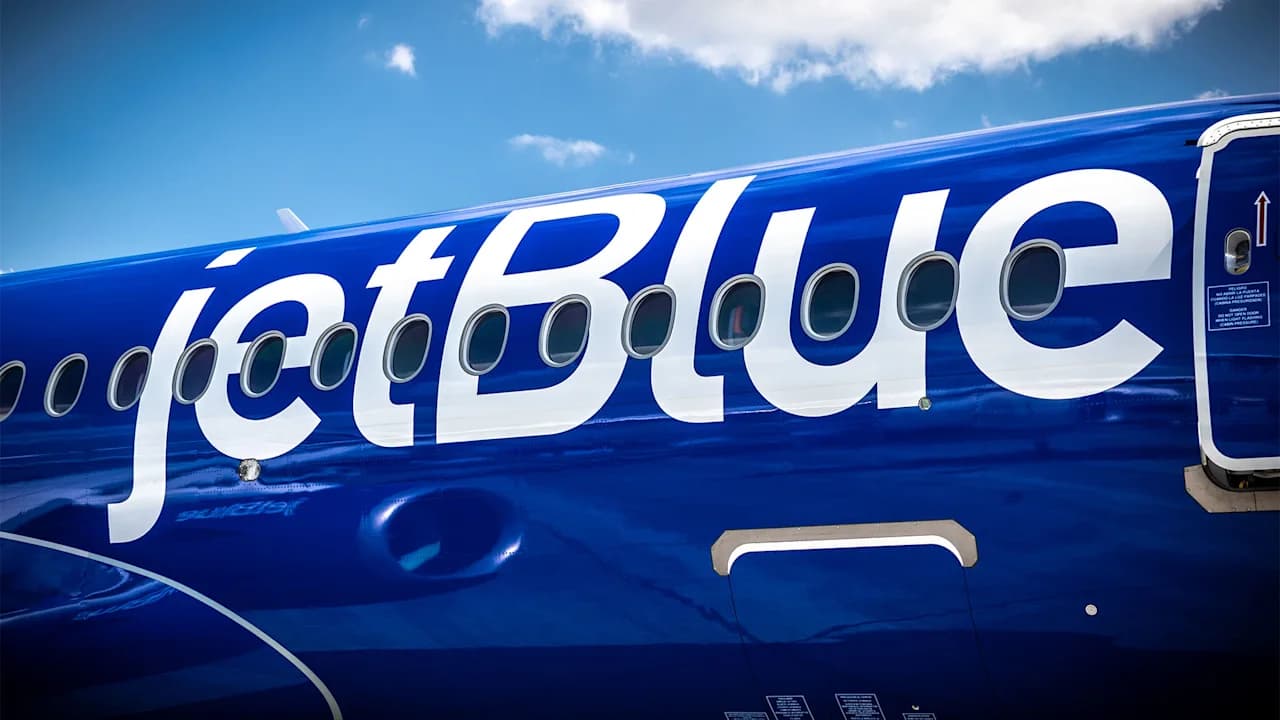
What started as a routine customer service exchange on social media has ballooned into a public relations crisis for JetBlue Airways. According to Fast Company, the airline's response to a customer complaining about a $230 fare increase—suggesting they clear cookies or use an incognito browser window—triggered widespread speculation that the carrier uses personal browsing data to set individualized prices. The deleted post was screenshotted and shared across platforms, eventually garnering 6.2 million views and igniting a firestorm of criticism from consumers and lawmakers alike.
JetBlue's comment proved particularly problematic because it appeared to implicate the company in surveillance pricing, a practice where companies use customer data to set different prices for different individuals. If clearing cookies affected pricing, critics reasoned, then the airline must be tracking repeat visitors and adjusting fares accordingly. This logic prompted a proposed class action lawsuit filed in Brooklyn federal court on April 23, with the plaintiff arguing that consumers shouldn't have their privacy rights violated just to book air travel at fair rates.
The incident has also caught the attention of Congress. According to the source material, Senator Ruben Gallego and Representative Chris Pappas have cited the JetBlue exchange in support of the One Fair Price Act, legislation designed to prohibit companies from using customer data to set individualized pricing. For Charlotte-area business travelers who regularly book flights, the implications extend beyond JetBlue—the case highlights broader questions about pricing transparency and data privacy across the travel and e-commerce industries.
JetBlue has denied using surveillance pricing in an official statement, characterizing the employee's suggestion as an individual mistake and asserting that fares are determined solely by demand and seat availability. The airline maintains that all customers see identical pricing on its website and app. However, the company did not address the pending lawsuit, leaving the legal questions unresolved as regulatory pressure around dynamic pricing practices continues to build at the federal level.