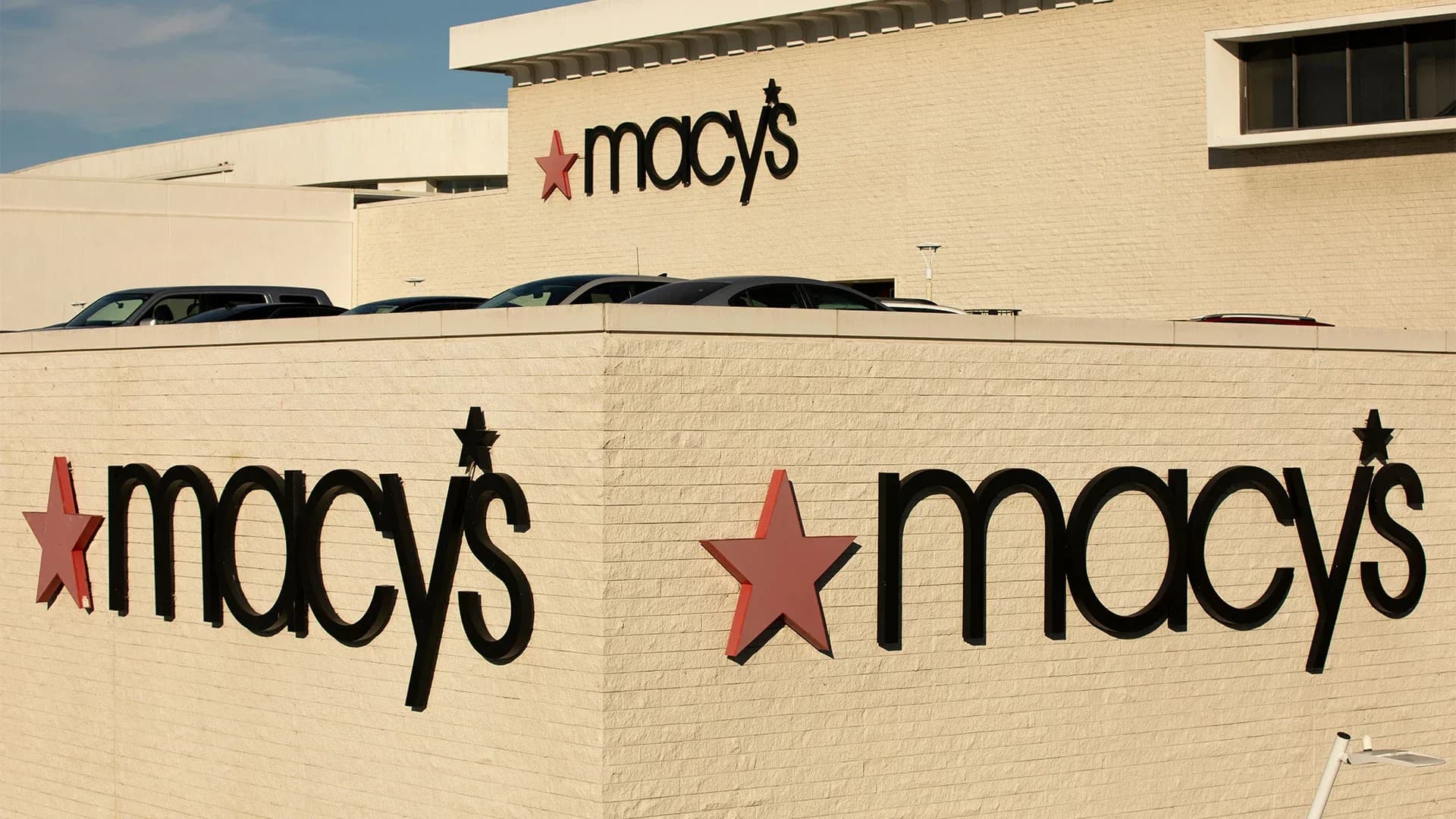
Photo via Inc.
Macy's is moving forward with an expanded store closure strategy as part of what the company calls its 'bold new chapter' transformation. According to Inc., the iconic department store chain has designated numerous locations for shutdown in 2026, building on earlier announced closures. The phased approach suggests Macy's is strategically consolidating its brick-and-mortar footprint while reassessing its retail strategy in an increasingly competitive marketplace.
For Charlotte's retail sector, Macy's store closures represent part of a broader shift in department store operations across the Southeast. The company's restructuring affects not only direct employees but also local suppliers, commercial real estate landlords, and neighboring retailers who have relied on anchor tenants like Macy's to drive foot traffic. Charlotte-area shopping centers may face increased pressure to attract replacement tenants or reimagine their retail mix.
The closures align with industry-wide challenges facing traditional department stores, which have struggled against e-commerce competition and changing consumer shopping habits. Macy's decision to streamline its location count reflects a reality that major retail chains are no longer sustainable in every market. This consolidation trend has reshaped Charlotte's retail landscape over the past five years, with several major department store anchors reducing their presence.
Business leaders and commercial real estate professionals in the Charlotte region should monitor Macy's specific closure announcements to understand local implications. Those with properties, leases, or businesses dependent on department store traffic should begin contingency planning now. The retailer's transformation may create both challenges and opportunities as vacated premium retail spaces become available for redevelopment or alternative uses.