Photo via Fast Company
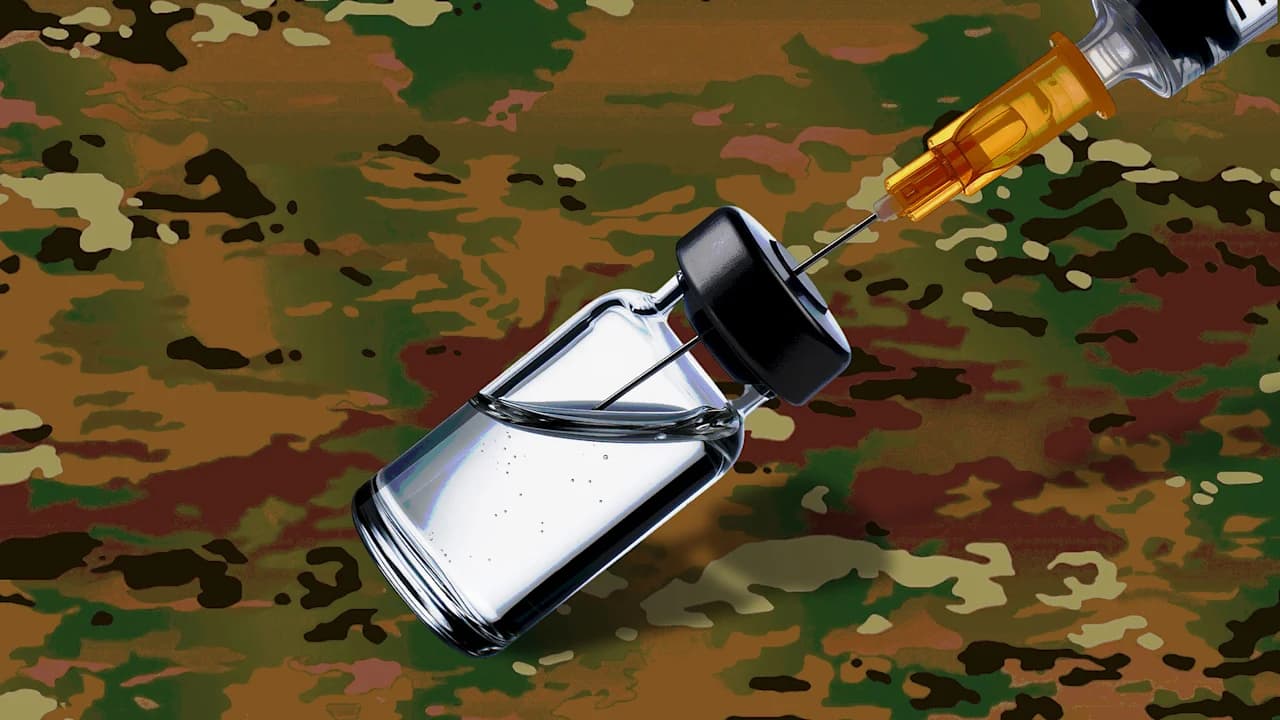
Defense Secretary Pete Hegseth announced this week that military service members will no longer face mandatory flu vaccinations, marking a significant reversal of a policy that has remained in place since the end of World War II. According to Fast Company, Hegseth characterized the requirement as an 'absurd, overreaching mandate' that weakens military readiness, though the historical record tells a different story. The flu shot requirement was originally established with the devastating 1918 flu pandemic in mind, when between 20% and 40% of Army and Navy personnel fell ill with influenza and pneumonia.
The policy shift raises concerns for employers and healthcare leaders across Charlotte and the Southeast. The decision to make vaccinations voluntary applies to all active and reserve service members as well as Department of Defense civilian employees. Medical experts have warned that the timing is troubling, as the U.S. recorded its highest measles rates in three decades last year, and the nation has endured consecutive severe flu seasons in recent years—conditions that typically justify preventive health measures in close-quarters environments.
This announcement follows the Biden administration's earlier COVID-19 vaccine mandate for troops, which led to approximately 8,000 military discharges between 2021 and 2023. According to reporting by Fast Company, only a small fraction of those discharged service members re-enlisted after the mandate was repealed through the National Defense Authorization Act in late 2022. The pattern suggests broader questions about workforce retention and the role of health mandates in employment decisions.
For Charlotte-area businesses and healthcare organizations, the military's shift may signal changing expectations around vaccine policies in the workplace. As public health threats persist, employers will need to navigate the tension between voluntary health initiatives and institutional readiness. The decision underscores ongoing debates about personal choice versus collective health responsibility—conversations that will likely continue shaping workplace policies across industries in the coming years.