Photo via TechCrunch
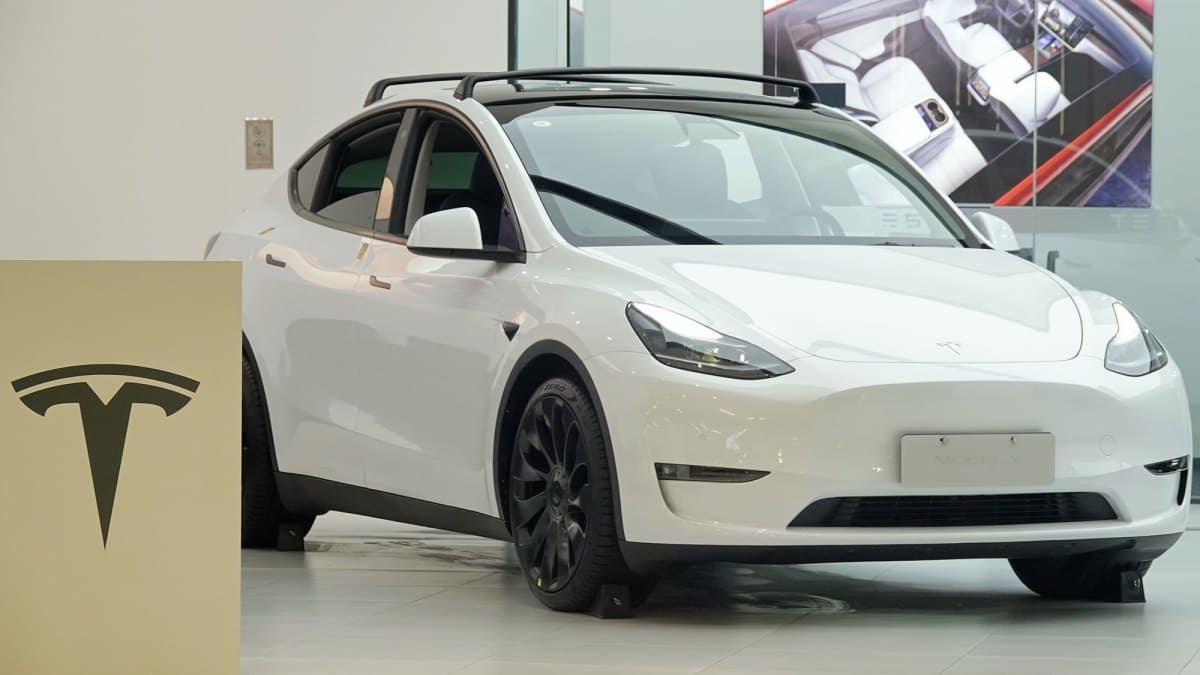
In a significant reversal, Tesla CEO Elon Musk has acknowledged that the company's existing customer base will require hardware upgrades to achieve the full autonomous driving capabilities the company has promoted for years, according to TechCrunch. This admission underscores a growing gap between Tesla's marketing promises and the technical reality of autonomous vehicle development—a distinction that may resonate with Charlotte-area business leaders evaluating fleet electrification and autonomous vehicle adoption.
The revelation carries substantial legal implications for Tesla, which has spent years suggesting that customers were merely waiting for a software update to unlock fully autonomous features. This messaging created an expectation among millions of vehicle owners that their current hardware would eventually support complete self-driving functionality. For Charlotte fleet operators and corporate buyers who made purchasing decisions based on these promises, the news raises questions about the company's product roadmap and timeline.
The broader implications extend beyond Tesla to the transportation and logistics sectors that support Charlotte's economy. Companies in the region that have invested in autonomous or semi-autonomous vehicle strategies may need to reassess their hardware requirements and long-term capital planning. As autonomous vehicle technology matures—and developer claims are tested in court—Charlotte businesses should carefully evaluate vendor claims and warranty commitments.
Tesla's situation illustrates a critical lesson for technology adoption in the corporate sector: the distance between promised functionality and commercial reality can be substantial. Charlotte-area business executives should apply this cautionary tale when evaluating emerging technologies, particularly those marketed as imminent game-changers. Thorough technical due diligence and conservative timeline expectations remain essential when integrating cutting-edge automotive and logistics solutions into operations.