Photo via Inc.
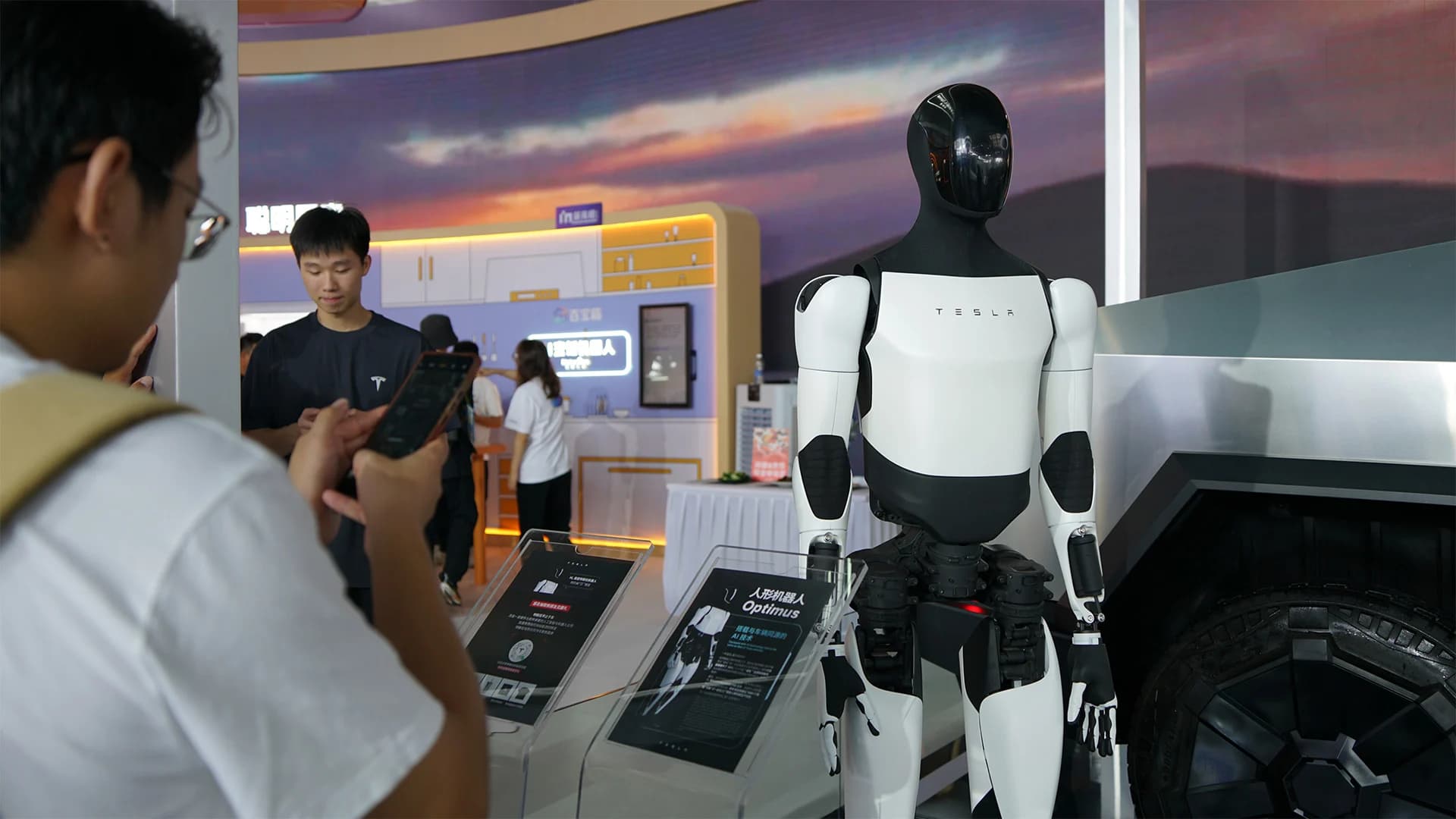
Tesla is accelerating its plans to commercialize Optimus, its humanoid robot platform, with Elon Musk signaling that external deployments could begin as early as next year. According to Inc., the timeline marks a significant shift from Tesla's earlier focus on internal use, suggesting the company sees commercial viability in selling or licensing the technology to other businesses. For Charlotte-area manufacturers and logistics operations, this development could signal new opportunities and competitive pressures in workforce automation.
The Optimus robot represents Tesla's foray into a broader automation market that extends beyond automotive production. Musk's announcement indicates the robot will handle repetitive, physically demanding tasks in various industrial and commercial settings. As supply chain and manufacturing remain critical to the Carolinas' economy, local companies may soon face decisions about integrating such technology into their operations, from warehouse management to factory floor tasks.
The timeline remains ambitious, and practical deployment challenges remain significant. However, if Tesla successfully delivers on its promises, the technology could reshape labor dynamics across Charlotte's key industries, including distribution centers, manufacturing plants, and logistics hubs. Companies that begin evaluating automation strategies now may gain competitive advantages as the technology becomes commercially available.
Charlotte business leaders should monitor this development closely, as the introduction of commercially available humanoid robots could influence hiring, workplace design, and operational strategy decisions in coming years. Early adopters in the region may find themselves at an advantage, while those unprepared may face disruption. The shift from prototype to market-ready product represents a pivotal moment for industries that have long relied on manual labor.