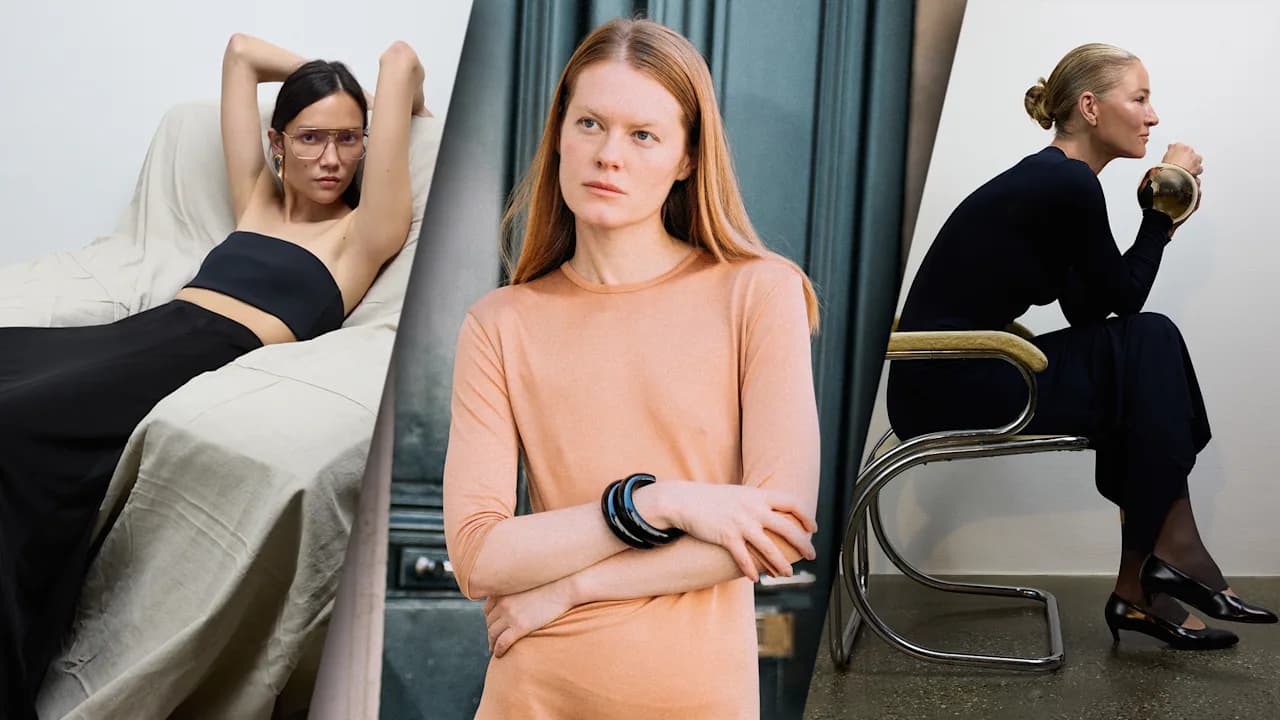
Photo via Fast Company
Sarah Bonello spent two years searching for the perfect fabric before launching The Park, a luxury basics collection that challenges the fashion industry's obsession with constant novelty. After decades in fashion PR, Bonello recognized a market gap: timeless, well-fitting basics that women actually want to keep wearing for years. According to Fast Company, her insight came from observing her own closet—the pieces she owned for 20 years that still felt essential, versus trend-driven items quickly discarded.
The Park's success has been swift and unexpected. Since launching 18 months ago with a curated selection of T-shirts, trousers, and dresses, the brand has already secured placement in high-end retailers like Nordstrom, Moda Operandi, and Net-a-Porter. What sets the collection apart is Bonello's obsessive focus on fabric quality and fit. She sources materials like Spanish-made Power 3 fabric—a blend of micro-Tencel and recycled elastane with moisture-wicking and temperature-regulating properties—that justifies price points ranging from $135 for basics to $500+ for statement pieces.
Bonello's marketing strategy diverges sharply from industry trends. Though her garments use sustainably sourced materials from responsibly managed forests and recycled textile waste, she discovered that approximately 80 percent of her customers care far more about how clothes fit than their environmental credentials. Rather than leading with sustainability messaging, she focuses on the practical benefits: pull-on styles that work across sizes 0 to 16, machine-washable fabrics that don't wrinkle, and designs with no seasonal changes or planned obsolescence.
The Park represents a direct challenge to the fast-fashion model that has dominated retail for two decades. While competitors like Zara and Shein build businesses on velocity and disposability, Bonello is betting that customers will pay premium prices for garments designed to last a decade. Whether this counter-current approach can scale remains uncertain, but her early results suggest that the most powerful argument for sustainability may not be environmental at all—it's aesthetic. As Bonello states, sometimes you simply can't guilt people into buying less; you have to make them something they love too much to replace.