Photo via Fast Company
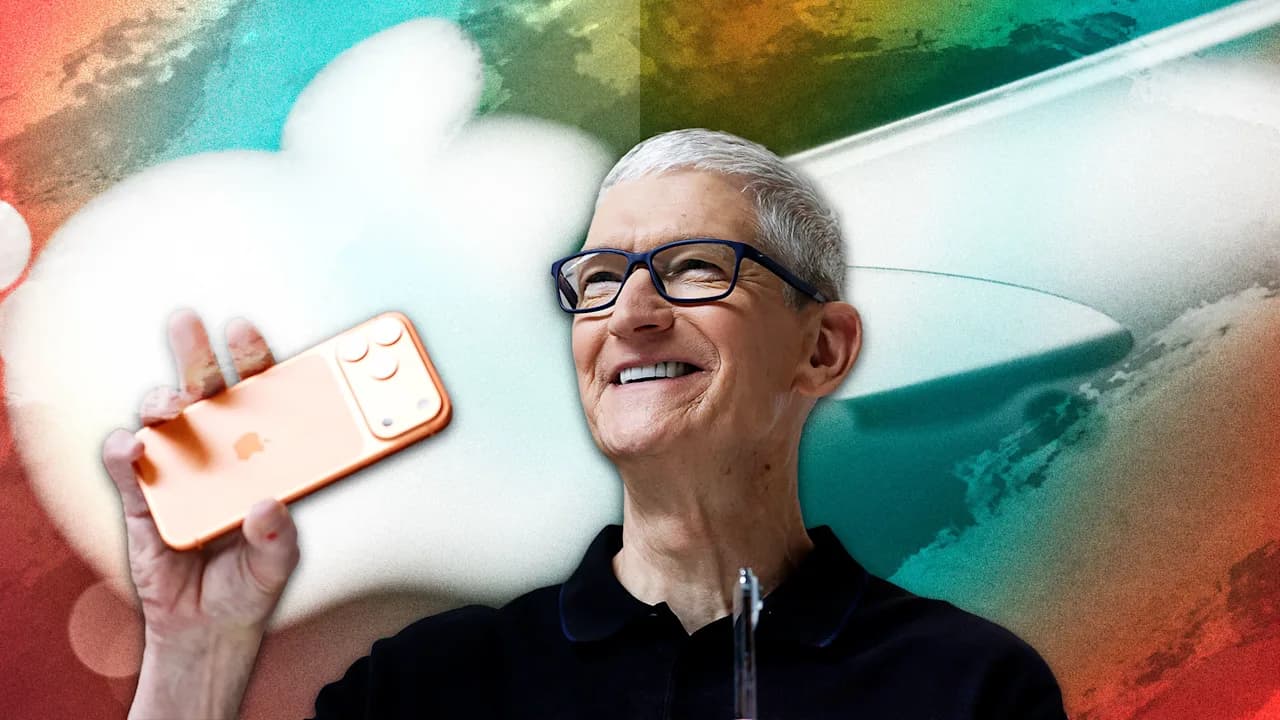
Apple announced Monday that CEO Tim Cook will step down in September and transition to executive chairman, with hardware chief John Ternus taking the helm. The leadership change concludes Cook's 14-year tenure at the top—a period that fundamentally reshaped one of the world's most influential technology companies. According to Apple's board, the transition will occur over several months, ensuring a smooth handoff of responsibilities.
When Cook assumed the CEO role in 2011 following Steve Jobs's resignation, skeptics questioned whether Apple could thrive without its iconic founder. Yet Cook proved doubters wrong, shepherding Apple through significant product diversification and geographic expansion. The company now operates in more than 200 countries and territories, and its market capitalization surged from $350 billion to $4 trillion under his leadership. For Charlotte's growing tech and innovation sectors, Cook's steady operational approach demonstrates how institutional knowledge and disciplined execution can sustain growth beyond a visionary founder.
Cook's most transformative moves included building Apple's services ecosystem—Apple Music, Podcasts, Apple TV, and Apple Fitness now generate record revenue—and transitioning to proprietary Apple Silicon chips for Macs starting in 2020. These vertical integration strategies positioned the company for artificial intelligence applications while reducing supply chain dependency. He also deepened Apple's manufacturing and supplier relationships in China, making the country central to Apple's operations, a complexity that required careful navigation through recent trade tensions and geopolitical shifts.
Beyond product and operations, Cook became a deft corporate statesman, maintaining relationships across political administrations and navigating antitrust scrutiny. His successor John Ternus inherits an Apple that remains a global technology leader, though the company now faces competition in emerging categories like virtual reality and artificial intelligence. For Charlotte business leaders, Cook's legacy offers a case study in how operational excellence, ecosystem thinking, and strategic patience can sustain market dominance across changing technological landscapes.