Photo via CNBC Business
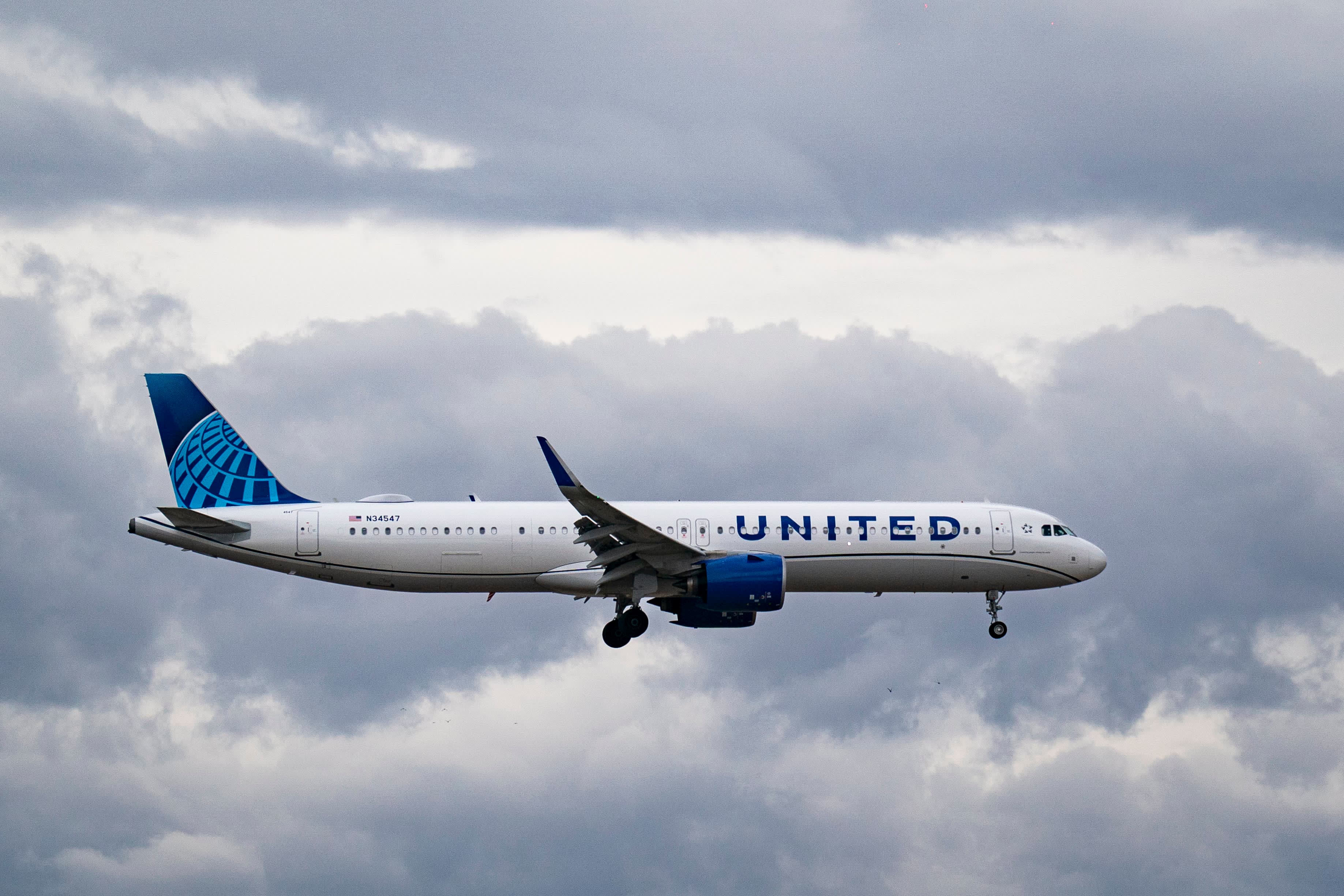
United Airlines delivered first-quarter results that surpassed Wall Street's expectations, signaling operational strength in the near term. However, the carrier's leadership has opted to take a more cautious stance on future performance, issuing a reduced forecast for 2026 that reflects concerns about sustained fuel price pressures. This divergence between strong current results and a more pessimistic long-term outlook underscores the volatility airlines face in an unpredictable energy market.
The airline industry remains highly sensitive to crude oil fluctuations, and fuel typically represents one of the largest operating expenses for carriers. According to CNBC Business, United's revised guidance suggests that fuel costs are expected to remain elevated through 2026, constraining profitability margins despite revenue growth. For Charlotte-based businesses and investors with exposure to the transportation and logistics sectors, this signals potential ripple effects across supply chains and shipping costs.
United's move reflects a broader industry trend of airline operators reassessing growth assumptions in the face of macroeconomic uncertainty. The carrier's decision to lower expectations while maintaining solid quarterly performance suggests management believes current fuel prices may represent a new baseline rather than temporary volatility. Investors should monitor how other major carriers—including those with significant operations in the Southeast—respond to similar pressures.
The implications extend beyond the airline sector itself. Charlotte's role as a logistics hub and its growing corporate presence mean that decisions by major carriers like United can influence business planning for local companies. Firms managing transportation budgets or supply chain logistics may need to adjust forecasts and cost projections based on industry trends signaling sustained higher operational expenses through 2026.