Photo via Fast Company
President Trump announced Tuesday that the United States would indefinitely extend its ceasefire with Iran, averting an immediate resumption of hostilities that had roiled energy markets and threatened global economic stability. The decision came just hours before the ceasefire was set to expire, though diplomatic efforts remain stalled as Iran continues to resist returning to negotiations without conditions being met.
The geopolitical standoff centers on control of the Strait of Hormuz, a critical shipping corridor through which 20 percent of the world's natural gas and crude oil passes. The U.S. has imposed a blockade on Iranian ports to force Tehran to reopen the strait, while Iran demands the blockade be lifted before resuming peace talks. This standoff has pushed Brent crude oil prices to nearly $95 per barrel, a 30 percent increase since fighting began in late February.
For Charlotte-area businesses dependent on energy costs and supply chain stability, the ceasefire extension signals a temporary reprieve from further price volatility and potential supply disruptions. Manufacturing, logistics, and transportation sectors—significant parts of the regional economy—have faced headwinds from elevated energy prices and shipping uncertainty. However, the fragility of negotiations means markets remain vulnerable to rapid shifts in diplomatic momentum.
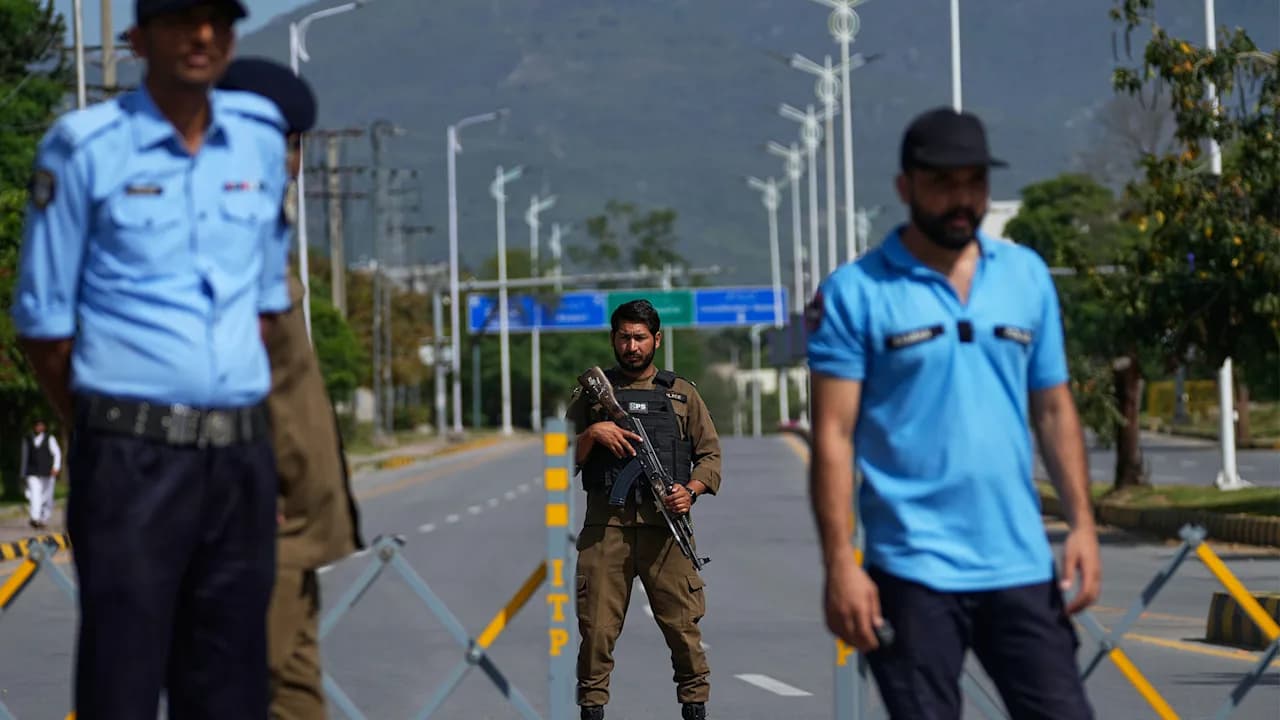
Pakistan is leading mediation efforts and has expressed confidence that negotiations will resume, though the Trump administration retains flexibility to change course. U.S. special envoys are consulting on next steps, while the broader U.S. blockade enforcement continues with recent seizures of sanctioned vessels. The outcome of these talks could determine whether energy markets stabilize or face renewed volatility in coming weeks.