Photo via Inc.
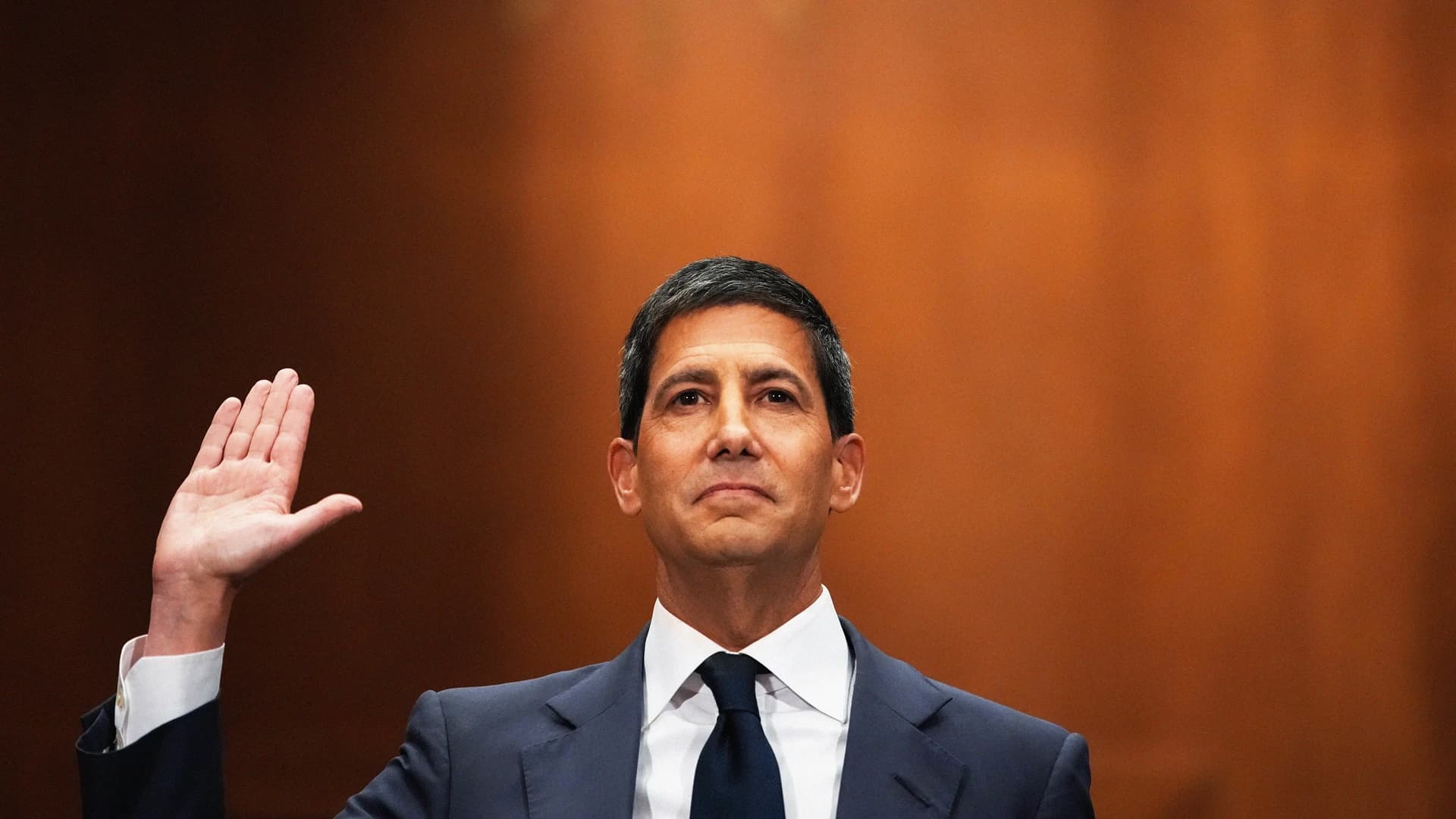
Kevin Warsh, Trump's nominee to chair the Federal Reserve, faced a rigorous confirmation hearing where he addressed critical economic issues affecting businesses nationwide, including those in the Charlotte region. According to coverage of the hearing, Warsh fielded questions on cryptocurrency regulation, inflation management, and the Fed's role in steering the economy through uncertain times. For Charlotte-area financial institutions and corporate leaders, his positions on these topics could signal the direction of interest rates and monetary policy over the next several years.
The hearing touched on cryptocurrency and digital assets—a growing concern for fintech companies and traditional financial services firms seeking clarity on regulatory boundaries. Warsh's comments suggested nuanced thinking about digital currency oversight, which matters particularly for Charlotte's expanding financial technology sector and the banks headquartered in the region. How the next Fed chair approaches crypto regulation could affect lending practices, investment strategies, and competitive positioning for local financial players.
Inflation management remained a central theme throughout the nomination hearing, reflecting ongoing concerns about price stability and purchasing power. For Charlotte manufacturers, retailers, and service providers managing supply chains and labor costs, the Fed's inflation strategy directly impacts borrowing costs and consumer spending patterns. Warsh's perspective on balancing growth with price controls will likely influence how aggressively the Fed adjusts rates—a critical factor for regional business planning.
The contentious nature of the hearing underscores broader disagreements about the Fed's independence and economic priorities. Charlotte's business community—from real estate developers to logistics companies to healthcare systems—depends on consistent, predictable monetary policy. Warsh's confirmation process signals that the coming years may bring shifts in how the Fed approaches regulation, rate-setting, and its relationship with the administration, making it essential for local leaders to monitor his path to confirmation and likely policy direction.