Photo via Fast Company
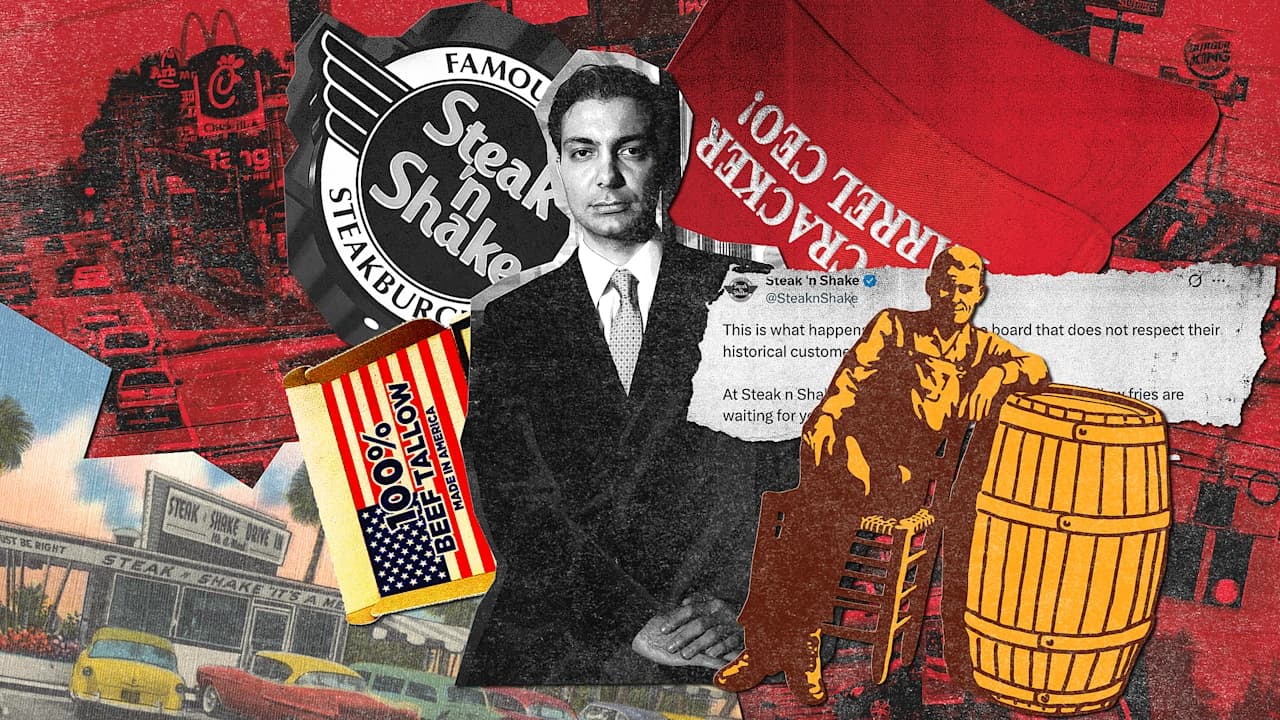
Sardar Biglari, the 48-year-old CEO of Biglari Holdings, has become one of the restaurant industry's most polarizing figures through aggressive activist campaigns against struggling chains. His tactics range from securing billboards to attacking competitors on social media, orchestrating proxy battles, and most recently, leveraging Steak 'n Shake's platform to pressure Cracker Barrel's leadership. According to industry observers, Biglari's methods have made him a controversial figure—some view his interventions as necessary corrections for poorly managed companies, while others see him as a disruptive force willing to weaponize consumer brands for financial gain.
Biglari's rise from immigrant entrepreneur to influential investor offers a compelling case study in the power—and peril—of concentrated ownership in public companies. After founding an internet service provider and a hedge fund in San Antonio, he orchestrated a takeover of struggling Steak 'n Shake in 2008, initially turning the chain around through aggressive menu simplification that sparked seven years of growth. However, his subsequent rebrands—from value pricing to kiosk-based service to Trump-era beef tallow positioning—have left the chain diminished, with store counts dropping more than 35% since 2019. The company's struggles highlight how activist investors can sometimes prioritize financial extraction over sustainable brand building.
Biglari's methods raise important governance questions that Charlotte executives should understand. His compensation structure—awarding himself massive cuts of annual value increases rather than taking a traditional salary—was flagged by governance advisors as "egregious," yet his holdings remain backed by major institutional investors including BlackRock and Vanguard. His campaigns against Jack in the Box, El Pollo Loco, and Cracker Barrel have triggered so-called poison pills and cost shareholders millions in defensive measures. The Cracker Barrel case is particularly instructive: while his criticisms about operational mismanagement proved valid, research firms identified coordinated bot campaigns amplifying negative messaging in ways that may have crossed ethical lines.
For Charlotte-area business leaders, Biglari's playbook offers cautionary lessons about balancing shareholder activism with stakeholder responsibility. His track record shows that activist pressure can expose real operational problems—yet his aggressive tactics and willingness to weaponize brands for political messaging also demonstrate the risks of treating established companies as purely financial vehicles. As corporate governance continues evolving, understanding how figures like Biglari operate, and what mechanisms investors can deploy or defend against, has become essential knowledge for boards and executives managing public companies in competitive industries.