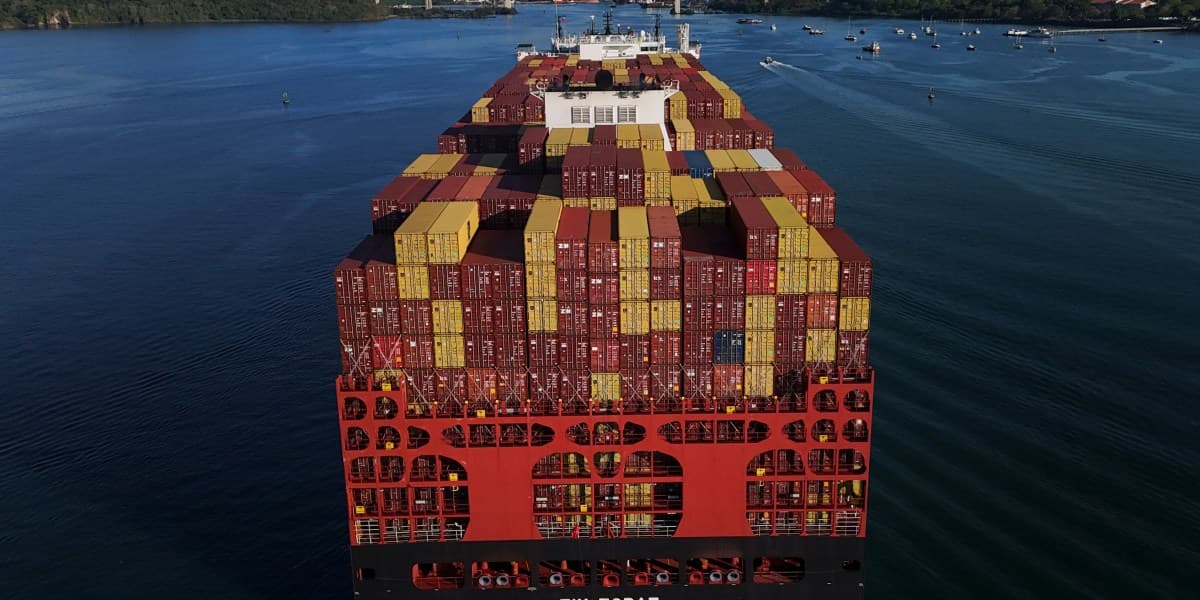
Photo via Fortune
Global shipping dynamics are shifting as companies reassess their maritime routes in response to ongoing security concerns. According to Fortune, the continued closure of the Strait of Hormuz—a critical chokepoint for Middle Eastern oil and goods—has made the Panama Canal an increasingly attractive alternative, despite surge pricing that can reach $4 million per transit.
The economic calculus is straightforward for many logistics operators: the costs and risks associated with navigating disputed waters have made the longer Panama Canal route more appealing. Companies are weighing the premium fees against potential losses from attacks, delays, or insurance complications, often finding that the Canal's higher transit costs offset the risks and delays of traditional routes.
For Charlotte-area businesses reliant on global supply chains—particularly in retail, automotive, and manufacturing sectors—this shift could impact shipping timelines and costs. The Port of Charleston and regional distribution hubs may see increased throughput as companies optimize their logistics networks around these evolving maritime corridors.
As geopolitical tensions persist, shippers and logistics providers are likely to continue seeking alternative routes and absorbing the short-term premium costs. This evolving situation underscores the vulnerability of traditional supply chains and may accelerate investment in route diversification and supply chain resilience among Charlotte-based companies dependent on international trade.