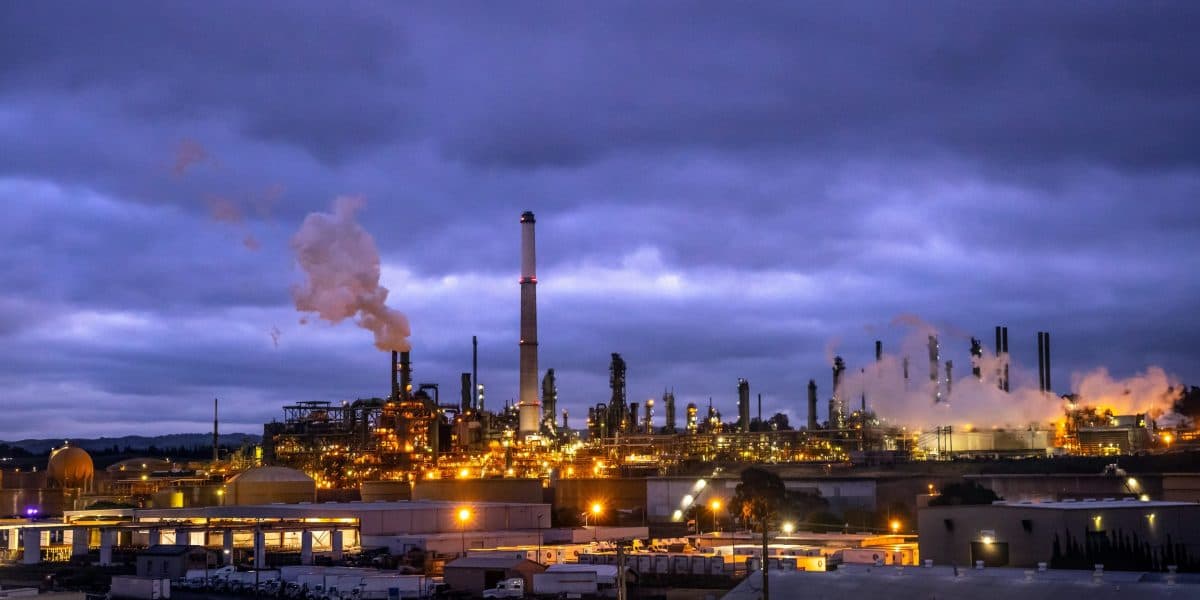
Photo via Fortune
California is facing a significant energy supply crunch as multiple refineries near Los Angeles and San Francisco shutter operations simultaneously, according to Fortune. The timing couldn't be worse: these closures are coinciding with geopolitical tensions in the Middle East that are constraining global oil supplies. For Charlotte-area businesses reliant on stable energy costs—particularly in logistics, manufacturing, and aviation—this West Coast disruption carries national implications.
The closure of major refining capacity in the nation's most populous state removes a critical buffer from the U.S. energy system. California's refineries typically process roughly 15% of the nation's oil output, so their offline status creates upward pressure on fuel prices across the country. Industries dependent on jet fuel and diesel, including the growing aerospace and distribution sectors in the Carolinas, could face higher operational costs in the months ahead.
The geopolitical dimension compounds the problem. Tensions involving Iran have curtailed global oil supplies at precisely the moment when California's domestic refining capacity is diminishing. This 'perfect storm' dynamic—supply constraints meeting demand pressures—leaves little room for the market to absorb unexpected disruptions. Energy analysts warn that meaningful relief through new refinery construction or capacity expansions remains years away.
Charlotte business leaders should monitor this developing situation closely, particularly those in energy-intensive industries. Supply chain managers may need to adjust budgets for fuel surcharges, while companies in transportation and logistics should prepare for potential cost increases. Understanding these macro energy trends helps local businesses navigate commodity price volatility and plan accordingly for 2025 and beyond.