Photo via Fortune
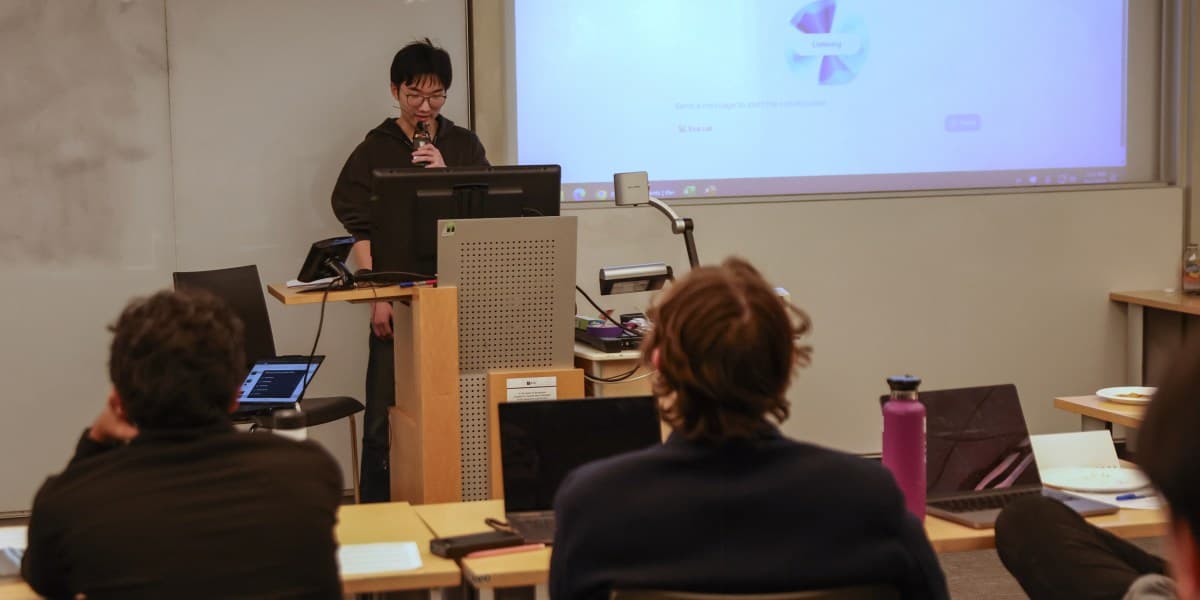
Universities across the country are turning to a time-tested assessment method to combat the growing prevalence of AI-assisted coursework: the oral exam. According to reporting from Fortune, educators like Cornell University's Chris Schaffer have begun implementing oral defense mechanisms in their courses, recognizing that this format presents a fundamental challenge to students attempting to circumvent learning through artificial intelligence tools.
The shift reflects a broader reckoning in higher education about how to maintain academic rigor in an era of sophisticated generative AI. While written assignments, problem sets, and traditional exams have become vulnerable to AI completion, oral examinations require students to demonstrate real-time understanding, articulate complex concepts, and respond to probing questions—tasks that cannot be delegated to a language model. Schaffer's implementation signals that institutions are adapting their pedagogical approaches rather than surrendering to technological disruption.
For Charlotte-area businesses and institutions considering workforce development initiatives, this educational trend carries implications. As universities strengthen assessment methods to ensure graduates possess genuine competency in their fields, employers may benefit from increased confidence in the credentials of job candidates. Companies investing in continuing education or partnering with local universities on training programs should consider how oral assessments and practical demonstrations might strengthen their talent pipelines.
The resurgence of oral exams also raises questions about scalability and equity in higher education. While effective for ensuring authentic learning, implementing widespread oral assessments requires significant faculty time and resources. Institutions—and by extension, employers—will need to grapple with how to balance rigorous verification of competency with practical constraints, particularly as AI tools continue evolving and embedding themselves into professional workflows across industries.