Photo via Fortune
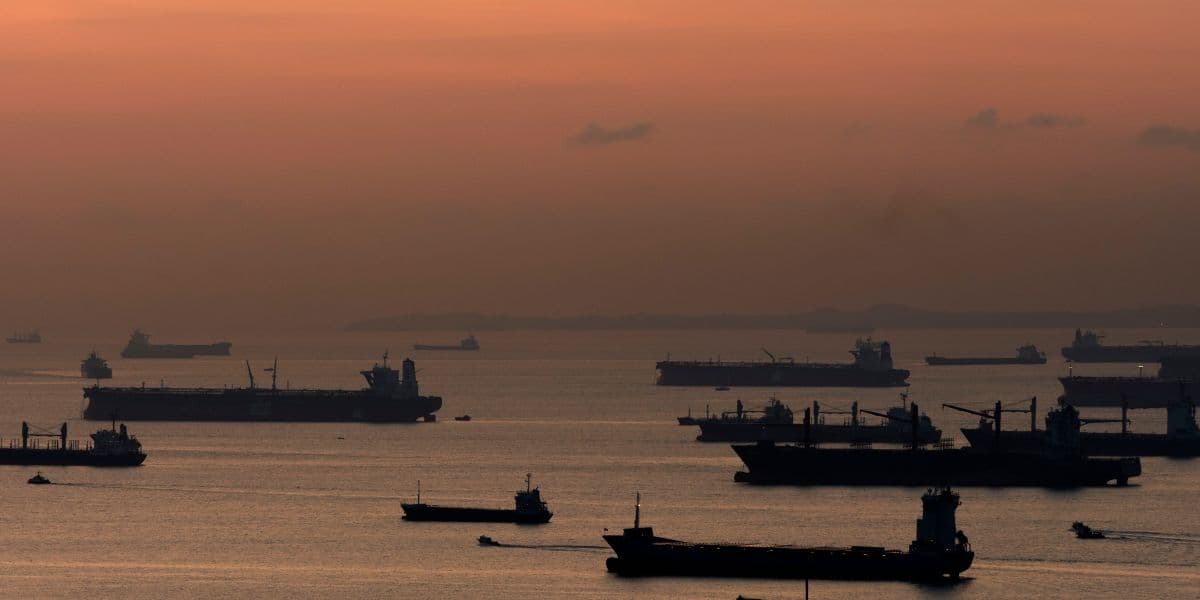
A geopolitical shift in Southeast Asia is raising questions about the future of one of the world's most vital shipping corridors. According to Fortune, Indonesia's finance minister has proposed implementing toll systems for vessels transiting the Strait of Malacca, a waterway through which roughly one-third of global maritime trade passes annually. The proposal, born from regional security concerns and fiscal pressures, represents a dramatic departure from decades of free transit through the strategically critical passage.
For Charlotte-area businesses dependent on Asian supply chains, the implications could be significant. Any toll system would ultimately increase shipping costs for goods flowing from Southeast Asia to the U.S., affecting retailers, manufacturers, and logistics companies throughout the region. Major ports serving the Carolinas would see corresponding pressure on import prices and delivery timelines, making this a decidedly local concern despite its geographic distance.
The proposal has exposed sharp divisions among regional powers. Singapore and Malaysia have voiced strong opposition, citing potential disruptions to global commerce and their own economic interests as maritime hubs. Thailand, meanwhile, views the situation as an opportunity to position itself as an alternative shipping route and financial beneficiary. These competing interests suggest any resolution will require delicate negotiation among stakeholders with conflicting priorities.
Charlotte businesses should monitor this development closely, particularly those in retail, manufacturing, and import-dependent sectors. Supply chain professionals may need to evaluate contingency plans and alternative sourcing strategies if tolls are implemented. Industry groups and trade organizations are likely to weigh in on potential impacts, making this an emerging issue for executive leadership and operations teams to track in coming months.